
Linux patch management with planned maintenance windows
Server updates compete with the need to keep business applications available. Gateflow helps companies organize and carry out Linux maintenance for an agreed server estate. The work connects pending updates with application checks, reboot decisions and a record of changes, so your team can see what was done and what remains.
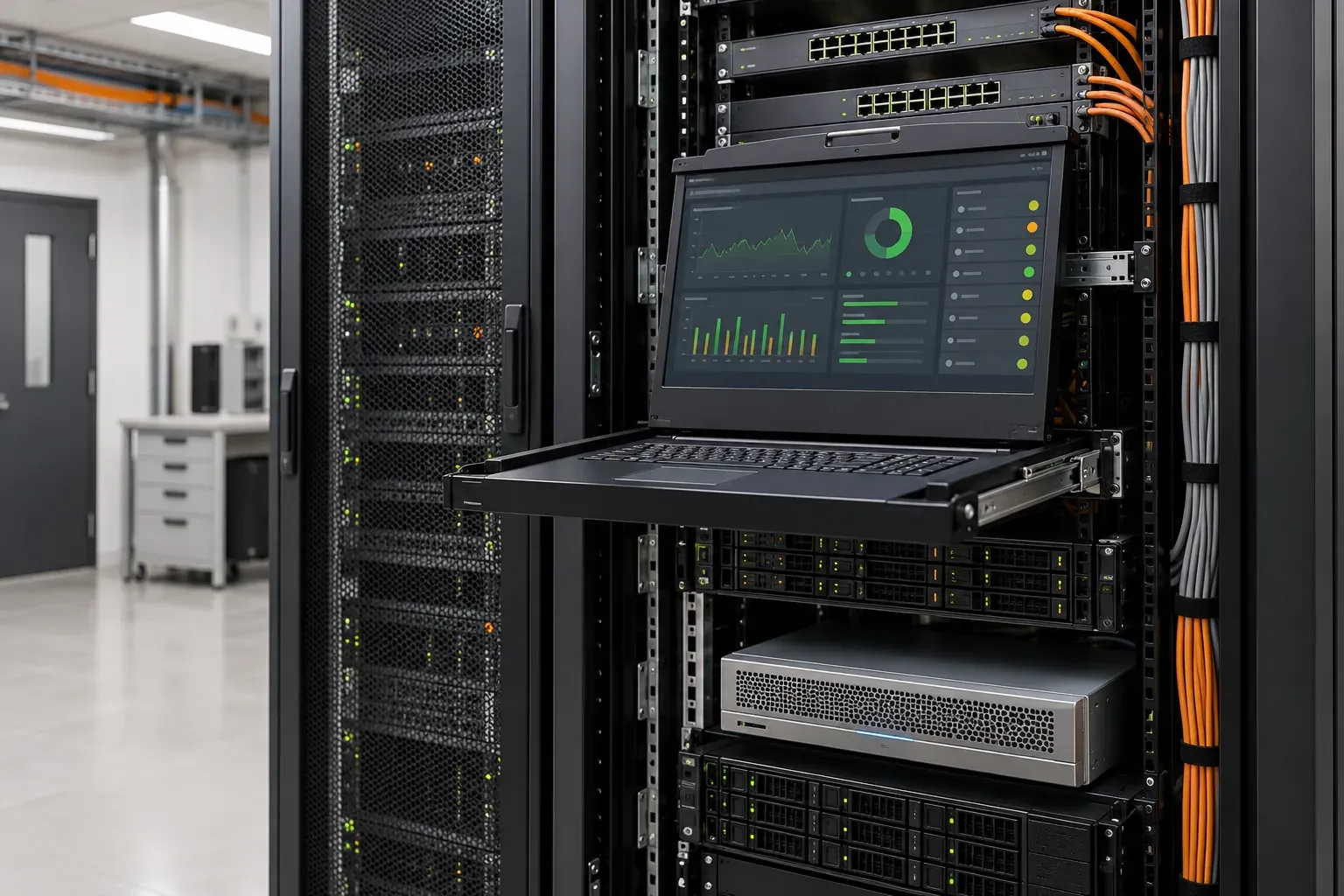
Linux patch management from Gateflow
Gateflow provides technical project work and operating support from Frankfurt. Linux maintenance can be commissioned through IT infrastructure support for named systems and an agreed period. Before work starts, Gateflow reviews which updates belong to the assignment, who approves interruptions and which application owners need to check their services afterward.
Linux package inventory and update sources
A useful update plan begins with installed versions and configured package sources. Gateflow identifies packages that come from the operating-system distributor and those maintained through a separate vendor or deployment process. Your team supplies support restrictions and application requirements. This prevents an update task from silently extending into software whose maintenance belongs to another supplier.
Linux maintenance priorities and exceptions
Pending updates need decisions about urgency and possible disruption. Gateflow records the selected changes and the reason for postponing any item. A delayed update stays visible with an owner and a review date agreed by the customer. The scope concerns maintaining the named systems; specific security assessments or application upgrades need their own requirements.
Patch testing before production changes
Where a suitable test environment exists, Gateflow checks the selected updates against the relevant application tasks before production maintenance. When a replacement environment is needed, server installation and operations can be scoped separately. The test record identifies the versions checked and any differences between test and production that affect confidence in the result.
Linux update windows and restart planning
Some changes require restarting a service or the server. The maintenance plan identifies those interruptions and the people who need notice. Gateflow agrees the sequence, access requirements and checks following a restart. If an application must remain available during the window, the customer and responsible suppliers need to establish how that requirement will be met.
Patch rollback and change decisions
Before a production change, the team agrees what to do if a check fails. Depending on the environment, recovery may involve a supported package rollback or restoration of an earlier system state. Gateflow documents the chosen procedure through the project process , including who can approve recovery and which data changes require special attention.
Linux patch records and follow-up work
After maintenance, the record shows the changes applied and the outcome of the agreed service checks. Unresolved failures or postponed updates remain separate entries with named owners. Your team can use this record for the next maintenance cycle without reconstructing the work from messages or shell history. The application owner records acceptance after checking the affected business tasks.
Ongoing Linux maintenance arrangements
A recurring arrangement can cover a defined set of hosts, review dates and reporting responsibilities. Changes to that scope are agreed when servers or applications are added. The company overview describes Gateflow's related technical work. Send the server list, distributions, application restrictions and preferred maintenance periods to discuss the support your environment needs. The proposed effort reflects host count, differences between the environments and the application checks required for each maintenance cycle.
Discuss your Linux patch management

Gateflow applies the approved Linux updates and runs the agreed service checks after maintenance. You receive a change record showing installed updates, deferred items and any follow-up work.