
Monitoring alert tuning for useful notifications
Repeated warnings can make a real incident harder to spot, while a missing check leaves a service unobserved. Gateflow reviews existing monitoring and alerting for a defined system environment. The assignment compares current notifications with the conditions your team needs to act on and tests the agreed adjustments before handover.
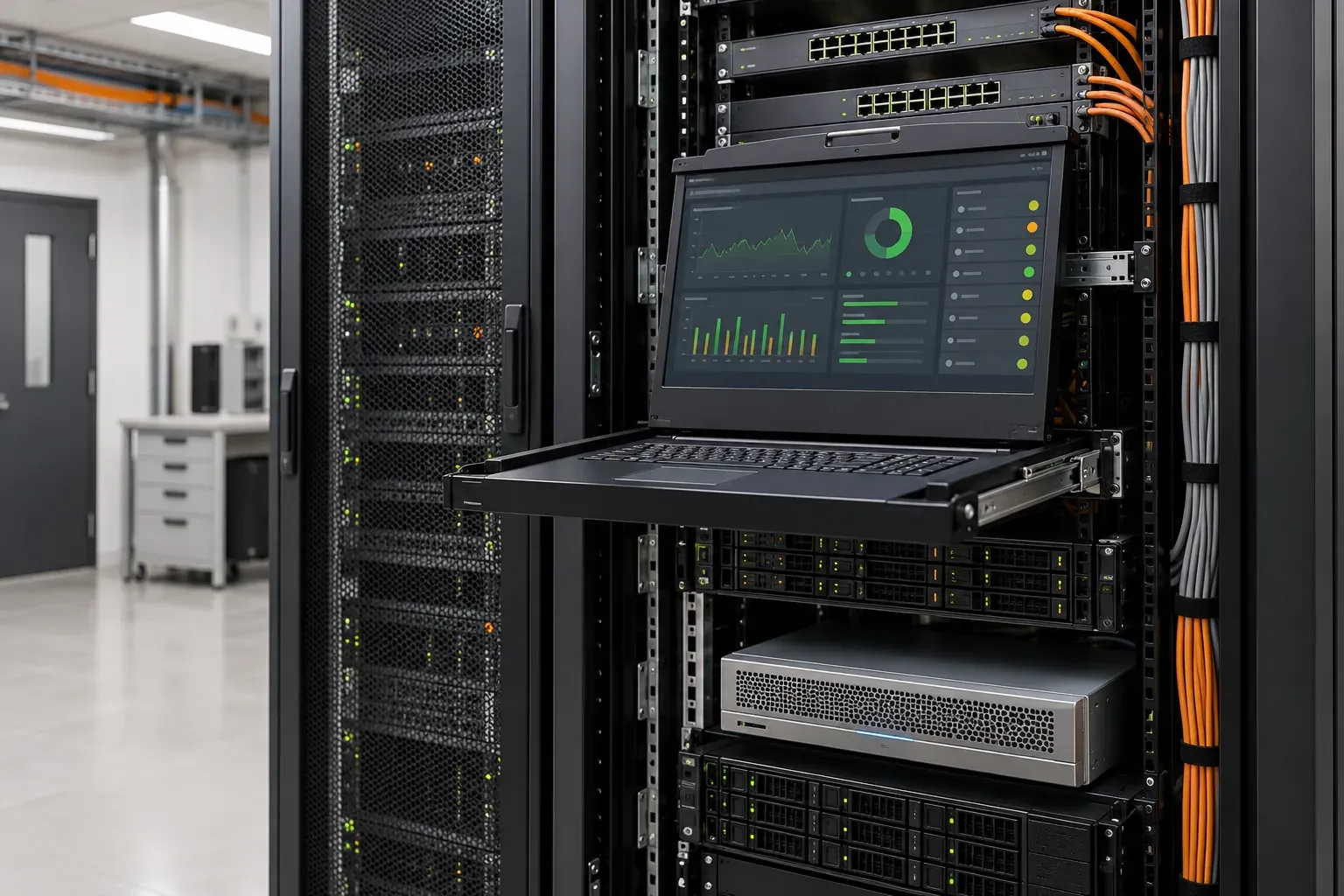
Monitoring alert tuning with Gateflow
Gateflow provides infrastructure work from Frankfurt for companies across Germany. Through IT infrastructure support , an existing monitoring setup can be reviewed without replacing the whole platform. The scope identifies the systems and notifications under review, available history and the people responsible for response. Gateflow agrees the proposed changes with those operating contacts.
Monitoring alert history and recurring noise
The review starts with examples of repeated alerts and incidents that were missed or noticed late. Gateflow compares the event history with maintenance activity and known service behavior. Some notifications may be correct but routed to the wrong person. Others may reflect an unsuitable threshold or a dependency that should be considered when interpreting the result.
Monitoring thresholds for real operating conditions
Thresholds should be reviewed against the behavior of the monitored system and the action a warning is meant to trigger. Gateflow discusses the evidence for a proposed adjustment with the customer team. Raising a threshold can reduce messages while hiding a problem. The decision therefore needs a stated reason and an agreed way to check the effect.
Alert routing and system ownership
A useful alert reaches someone responsible for the affected service. Gateflow reviews contact groups, escalation routes and the treatment of maintenance windows. If ownership is unclear because an application connects several systems, system integration work can help document the relevant boundary. Routing changes are agreed with the teams expected to receive and act on the notifications.
Monitoring coverage beyond noisy alerts
Reducing repeated notifications is only part of the review. Gateflow also checks whether an important service condition has no useful test or whether collection failures are going unnoticed. The assignment records those gaps separately from threshold changes. Your team can then prioritize additional checks according to the services and user tasks affected by a missed failure.
Alert tests before accepting changes
Gateflow tests agreed notification changes using conditions that can be reproduced within the customer's operating restrictions. The working process records what was checked and which notifications reached their intended destinations. Where production behavior cannot be reproduced safely, the limitation remains visible. Acceptance should distinguish a configuration change from evidence that the desired alert path actually works.
Monitoring change records and review dates
You will receive the agreed record of altered checks, thresholds and contact routing. Each change includes its purpose and any follow-up observation needed. The customer team can compare later event history with the original problem and decide whether another adjustment is justified. That record also helps a new operator avoid undoing a deliberate configuration decision.
Monitoring maintenance after alert tuning
Monitoring changes as services, workloads and responsibilities change. A new server may need commissioning through server installation and operations before its checks can be added. Continued review of alert behavior can be agreed separately. Send examples of problematic notifications, the monitoring platform and the affected service list to discuss a focused review with Gateflow.
Review your monitoring alerts with Gateflow

Gateflow adjusts the agreed monitoring thresholds and routes alerts to the responsible contacts. You receive tested configuration changes with their purpose and any follow-up observations recorded.