
Application roles and permissions that follow business tasks
Signing in does not answer which records a person may view or change. Gateflow implements application permissions around the tasks and information involved. The work defines allowed actions, tests denied access and makes account administration understandable, so changes in staff responsibilities can be reflected in the application deliberately.
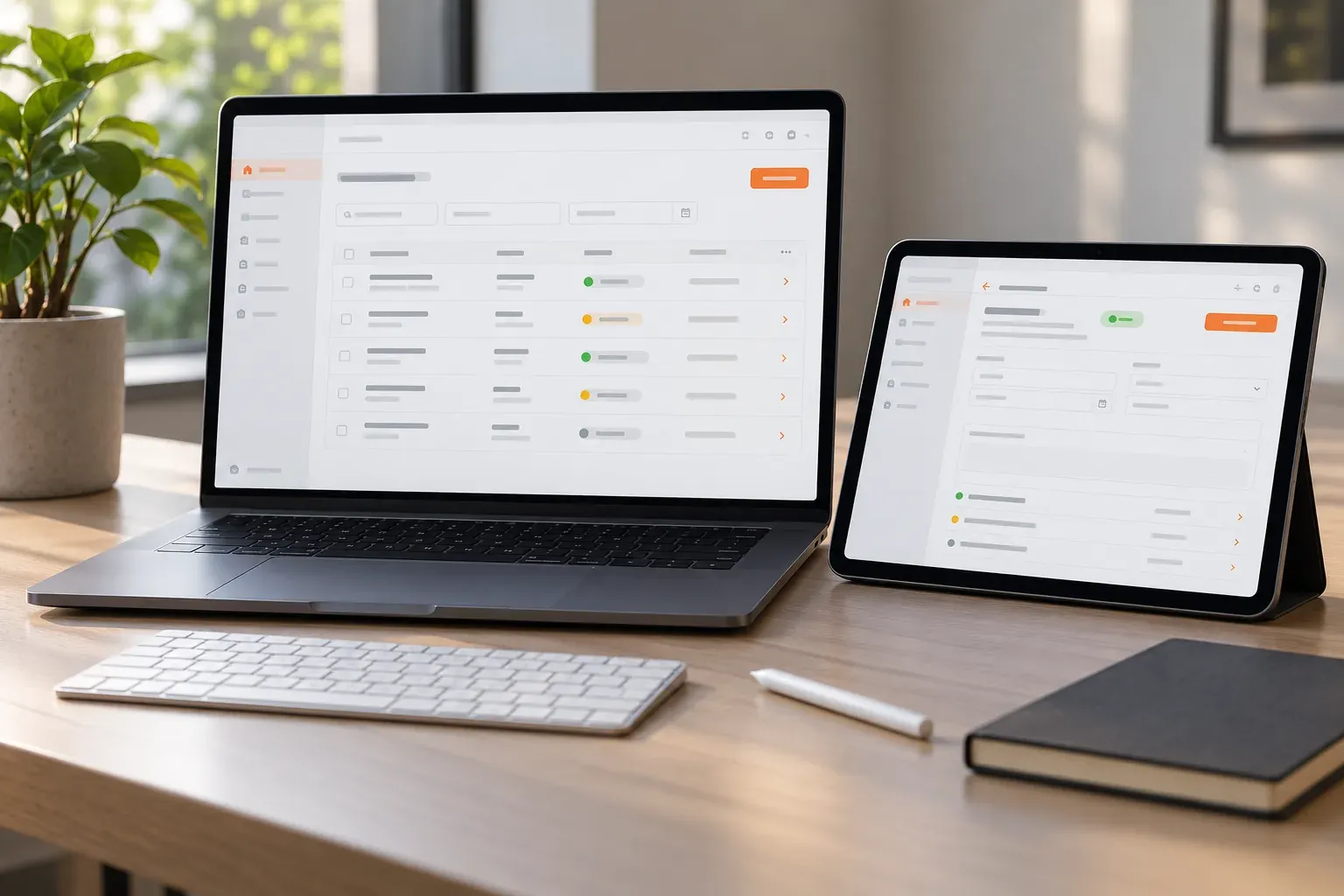
Application permission development with Gateflow
Gateflow develops business applications and the connections to existing systems from Frankfurt. The company profile explains this scope. Access-control work can be part of a new application or a defined change to an existing one. Gateflow first needs to understand the record types, user groups and decisions already made about access. For an existing application, the estimate requires a review of current permission checks and the code paths that expose records.
Role design based on real responsibilities
A job title rarely describes a complete permission set. Your team identifies what a person must do, such as reading assigned cases, correcting records or administering accounts. Gateflow translates those tasks into roles and actions. Exceptional access is documented explicitly so a broad administrator role does not become the default answer to every request.
Record-level permissions and organization boundaries
Two users with the same role may belong to different customers or departments. Gateflow defines how those relationships restrict access to individual records. Tests cover changed identifiers and direct links to records outside the permitted group. The rule must be enforced where data is read or changed, not only in the visible navigation.
Access rules across application integrations
A connection to another application can introduce permissions beyond the local screen. Gateflow reviews system integration credentials and the actions each connection is allowed to perform. User identity, technical accounts and delegated access are distinguished. A successful API response must not accidentally expose fields the requesting person has no right to read.
Account administration when responsibilities change
People join teams, change responsibilities and leave organizations. Gateflow agrees how accounts are created, reassigned and disabled, including who authorizes each step. The application should make effective permissions visible to the responsible administrator. Changes to an account are tested against active sessions and pending work where those situations affect the access model.
Permission testing for allowed and denied actions
A permission test needs both a valid action and an attempted action that must fail. Gateflow uses the agreed role matrix to check reads, changes, exports and administrative operations. Tests include direct requests where appropriate. The customer reviews the business meaning of the matrix; technical success alone does not establish that the policy is correct.
Access-control rollout with a reviewable change plan
The project process defines how revised permissions are introduced without unexpectedly blocking necessary work. Gateflow agrees a representative trial and a response to incorrect access assignments. The release record identifies the changed rules and unresolved decisions. Security certification, regulatory compliance or an independent penetration test are separate matters, not implied by implementing roles.
Permission maintenance when the application expands
A new screen or data field can require a new access decision. Gateflow offers application development and maintenance to extend the permission model alongside features. Your team receives the agreed role documentation and administration instructions. Existing denied-action tests remain relevant when business functions change, so new development does not quietly broaden access.
Discuss your application permissions

Gateflow implements the agreed application roles and record-level permissions, then tests allowed and denied actions. You will receive a documented role matrix and administration instructions showing how account changes affect access to business records.