
MCP server development for your business systems
A business system may already have an API, while the AI client your team uses has no suitable connection. Gateflow develops MCP servers that expose selected data and functions through a defined interface. The project specifies what a client can request, who may use the connection and how the result is checked.
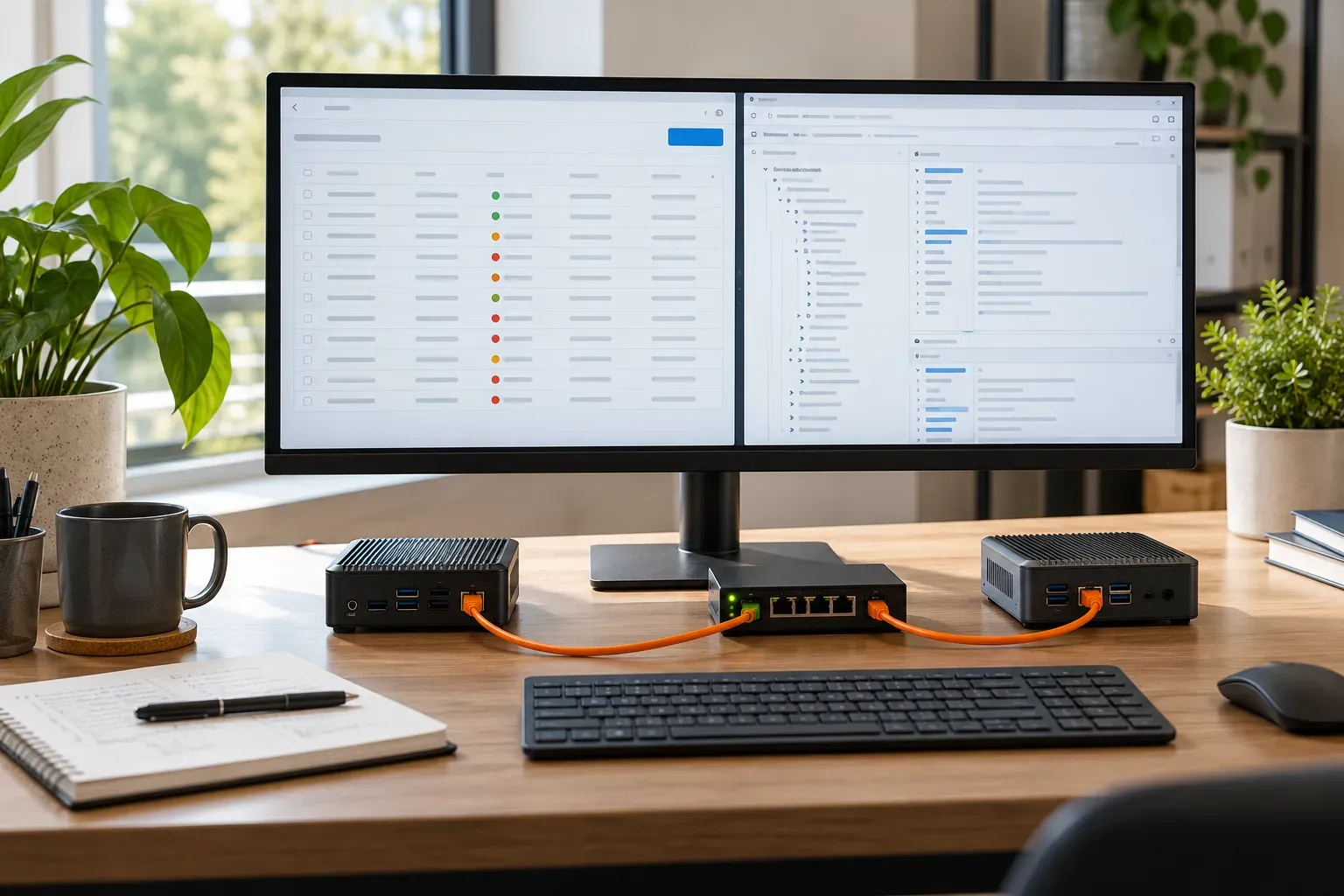
MCP server development by Gateflow
Gateflow develops software and system connections from Frankfurt for companies across Germany. An MCP assignment can cover a small set of functions in one application or an agreed group of systems. The company profile describes the wider delivery services, including application development and technical support after the connection has been handed over.
MCP tools selected around a user task
Start with the information an assistant needs and the actions the assistant should be able to request. Gateflow translates those requirements into specific tools with named inputs and outputs. A focused tool list lets your team review the permissions and acceptance criteria for each operation.
MCP permissions for reading and changing records
Read access and changes to business records need separate decisions. Gateflow agrees which user identity a request uses and where the underlying application enforces permissions. Approval requirements remain part of the workflow. A connection should reject an unauthorized operation even when an AI client sends a well-formed request for that operation.
API integration behind the MCP interface
The server still depends on the behavior of the underlying application. API integration covers field mapping, pagination and the handling of failed requests. Gateflow documents what happens when a record is missing or a service is unavailable, so client responses describe the actual result instead of presenting an incomplete operation as completed.
AI tool integration with useful descriptions
An AI client needs to distinguish available tools and supply the required arguments. Gateflow treats descriptions and response formats as part of AI tool integration , then checks representative requests. The same test should also expose unclear names or overlapping tools that make selecting the intended operation unnecessarily difficult for the client.
MCP compatibility tests with agreed clients
The acceptance plan names the clients and environments that need to work with the server. Gateflow tests connection setup, tool discovery and the permitted operations. The test record identifies client-specific capabilities and any unsupported operations. Changes to a client or protocol version can require another test.
MCP deployment and operating documentation
The operating plan states where the server runs, how credentials are supplied and who handles updates. Logs should help investigate requests without unnecessarily collecting sensitive content. Gateflow provides the agreed configuration and documentation for the receiving team. Hosting or ongoing maintenance can be included when the responsibilities have been agreed.
MCP project planning for an existing API
An API description, sample records and a list of intended clients are useful starting materials. Gateflow checks whether the required operations are available and identifies missing access before implementation. The working method explains how scope, tests and handover are agreed, giving your team a basis for commissioning a connector with defined limits. The scope also records how many tools and client environments need implementation and testing, and whether a missing application operation needs separate development.
Discuss your MCP server project

Gateflow builds an MCP server that gives approved AI clients access to selected business functions. You will receive the configured tools, compatibility-test results and instructions for operating the connection.